Arriving at Morioka Station on the Tohoku Shinkansen places travelers directly into a walkable riverfront city where historic red-brick architecture and retro coffee houses blend effortlessly against mountain views. Renowned globally after international travel writers highlighted its walkable grid, the city centers around crystal-clear waterways, traditional craft workshops, and its legendary trio of distinct noodle styles. While modern shopping malls connected to the station accept touchless IC transit cards without issue, historic brick landmarks and neighborhood kissaten remain firmly grounded in exact cash transactions. Exploring the downtown corridors between the Nakatsu River and the castle ruins reveals a refreshingly gentle pace far removed from Tokyo’s hurried rhythm.
Strolling Morioka Station and Odori Pedestrian Avenue
Just outside Morioka Station’s East Exit, the illuminated storefronts of Odori Shopping Street extend across the Kaiun Bridge toward the Nakatsu River. Ground-level izakayas, local noodle shops, and glowing commercial corridors line the pedestrian walkways, staying active well into the evening hours. Wide paved riverfront paths accommodate casual walkers seeking scenic views of Mount Iwate on clear sunny mornings. Most independent craft shops and traditional diners along the side streets require cash payment, making automated bank kiosks near the station concourse a sensible first stop. Foot traffic peaks around lunch and early evening when local commuters fill neighborhood noodle counters. Street-level maps and directional signposts throughout the station district feature clear English translations for easy orientation.
- 📍 Featured Spot: Morioka Station & Odori Shopping Street
- 💡 Best for: First-Time Visitors, Walkers
Taking the Endless Wanko Soba Challenge at Azumaya
Azumaya Honten challenges hungry diners to the iconic wanko soba ritual, where servers briskly toss bite-sized buckwheat noodles into personal lacquered bowls. Chanting lively rhythmic cheers, staff refill each bowl immediately upon emptying until customers firmly seal their wooden lids. Tabletop tallies of stacked wooden bowls track your final count, with reaching one hundred bowls earning an engraved commemorative wooden plaque. Reserving an advance lunch slot online bypasses the ninety-minute walk-in lines, with the fixed challenge course priced around thirty-five hundred yen payable by credit card.
- 📍 Featured Spot: Azumaya Honten
- 💡 Best for: Competitive Eaters, Group Travelers
Tasting Chilled Reimen Broth and Chewy Noodles at Pyonpyonsha
Chewy translucent potato-starch noodles resting in chilled beef-bone broth define Morioka reimen at renowned barbecue restaurants like Pyonpyonsha and Seirokaku. Bowls arrive garnished with sliced boiled egg, tender beef shank, pickled cucumber, and a crisp wedge of seasonal watermelon or pear to counterbalance the rich soup. Diners control their desired heat level by spooning red kimchi from separate side dishes directly into the broth. Tabletop touchscreens at station-adjacent branches offer full English language menus, enabling seamless ordering of noodle bowls and grilled meats. Cash registers accept major credit cards and transit IC cards without hesitation. Arrive fifteen minutes before the eleven-o’clock lunch opening to bypass the forty-minute lines that regularly form outside Morioka Station.
- 📍 Featured Spot: Pyonpyonsha Morioka Ekimae
- 💡 Best for: Food Lovers, Noodle Fans
Mixing Savory Miso Jajamen and Chitantan Soup at Pylon
Pylon anchors the Sakurayama Shrine arcade as the birthplace of Morioka jajamen, serving flat udon-style noodles topped with a dense mound of savory fermented meat miso. Diners thoroughly mix the minced pork paste, fresh scallions, grated ginger, and cucumber ribbons with vinegar and chili oil before digging in. Leaving a single bite of noodles and broth in the bowl allows the kitchen staff to crack in a raw egg and ladle boiling pasta water to create chitantan soup. Hand-written wall menus dictate the straightforward small, medium, or large sizing options at extremely modest prices around six hundred to eight hundred yen. Payment is collected in cash right after finishing the chitantan broth at the low counter. Peak lunch hours between noon and one-thirty bring twenty-minute queues onto the narrow shrine cobblestones.
- 📍 Featured Spot: Pylon Sakurayama Honten
- 💡 Best for: Adventurous Eaters, Budget Foodies
Touring the Historic Bank of Iwate Red Brick Building
Cross the Nakatsu River bridge to reach the Bank of Iwate Red Brick Building, an architectural treasure designed by the architect behind Tokyo Station. Striking red brick facades, granite bandings, and domed ceiling vaults welcome visitors into preserved banking halls from nineteen-eleven. General admission to the main hall remains free, while three hundred yen in exact cash unlocks access to the second-floor executive suites and boardrooms. Reception staff provide helpful English informational brochures outlining the structure’s engineering history, with weekday mornings offering the quietest viewing atmosphere.
- 📍 Featured Spot: Bank of Iwate Red Brick Building
- 💡 Best for: Architecture Enthusiasts, Photographers
Discovering Konyacho Fire Tower and Artisan Riverside Studios
Preserved wooden machiya facades and heritage buildings define the historic merchant district of Konyacho along the Nakatsu River. The iconic Konyacho Banya features an early twentieth-century wooden fire lookout tower that now houses artisanal craft shops and local textile displays. Quaint riverside establishments like Cafe Fukakusa welcome visitors through antique doors to enjoy black tea and homemade cheesecakes overlooking flowing river currents. Most boutique craft studios and independent tea rooms operate on cash registers, celebrating traditional commerce without digital terminals. Renting a city bicycle from the Morioka Station tourist center costs around one thousand yen per day, granting effortless access to these spread-out heritage quarters. Afternoon hours between two and four offer the gentlest sunlight for viewing the traditional wooden townhouses.
- 📍 Featured Spot: Konyacho Banya
- 💡 Best for: Architecture Fans, Craft Lovers
Uncovering Walkable Alleys and Retro Kissaten Culture
Following international praise from essayist Craig Mod, Morioka’s quiet backstreets have drawn global travelers eager to explore a compact city built entirely around walking. Cozy kissaten cafes tucked behind sliding wooden panels serve dark siphon roasts, butter toast, and peaceful conversation away from vehicular traffic. Neighborhood cafe masters rarely speak conversational English but welcome overseas visitors warmly with translated picture menus and polite gestures. Exact coin and thousand-yen bill payments remain customary across these independent coffee houses, keeping the neighborhood’s mid-century pace wonderfully intact.
- 📍 Featured Spot: Morioka Downtown Kissaten Alleys
- 💡 Best for: Solo Travelers, Book Lovers, Walkers
Exploring Ancient Castle Stone Walls and Historic Nanshoso Villa
Within a pleasant fifteen-minute stroll from the station, Morioka Castle Ruins Park showcases massive granite retaining walls framed by seasonal foliage and mountain panoramas. Just across the moat lies Sakurayama Shrine, where towering sacred monoliths guard historic alleys packed with family-run eateries. A short walk southward brings visitors to Nanshoso, a preserved Meiji-era merchant villa charging a modest three-hundred-yen admission fee for quiet garden views. Polished wooden veranda floors inside Nanshoso reflect seasonal garden greenery, creating an idyllic setting for sipping whisked ceremonial matcha. Front desk ticketing at historic villas requires exact cash, whereas souvenir shops inside the station’s Fesan Mall process major credit cards smoothly. Early morning walks before ten o’clock offer unobstructed photography along the castle wall ramparts.
- 📍 Featured Spot: Morioka Castle Ruins Park
- 💡 Best for: History Enthusiasts, Nature Walkers
Unwinding at Tsunagi Hot Springs and Lake Gosho
Tsunagi Onsen borders the tranquil shoreline of Lake Gosho just thirty minutes by local bus from Morioka Station, serving as the city’s premier hot spring sanctuary. Traditional ryokan inns line the lakeside, offering outdoor mineral baths where bathers soak in steaming alkaline waters while gazing at the distant outline of Mount Iwate. Day visitors purchase bath passes at front reception desks for around eight hundred to one thousand yen, gaining afternoon access to panoramic cypress tubs and open-air rock pools. Local buses depart regularly from Morioka Station’s West Exit bus terminal, accepting transit IC cards like Suica without requiring exact paper tickets. Modern ryokan accommodations readily process foreign credit cards, making an overnight stay or half-day spa retreat effortless for rail travelers. Sunset hours around six o’clock cast golden reflections across the lake surface, providing an exceptionally peaceful escape after days of downtown urban walking.
- 📍 Featured Spot: Tsunagi Onsen
- 💡 Best for: Hot Spring Lovers, Nature Seekers, Relaxed Travelers
Experiencing the Rhythmic Thunder of Morioka Sansa Odori
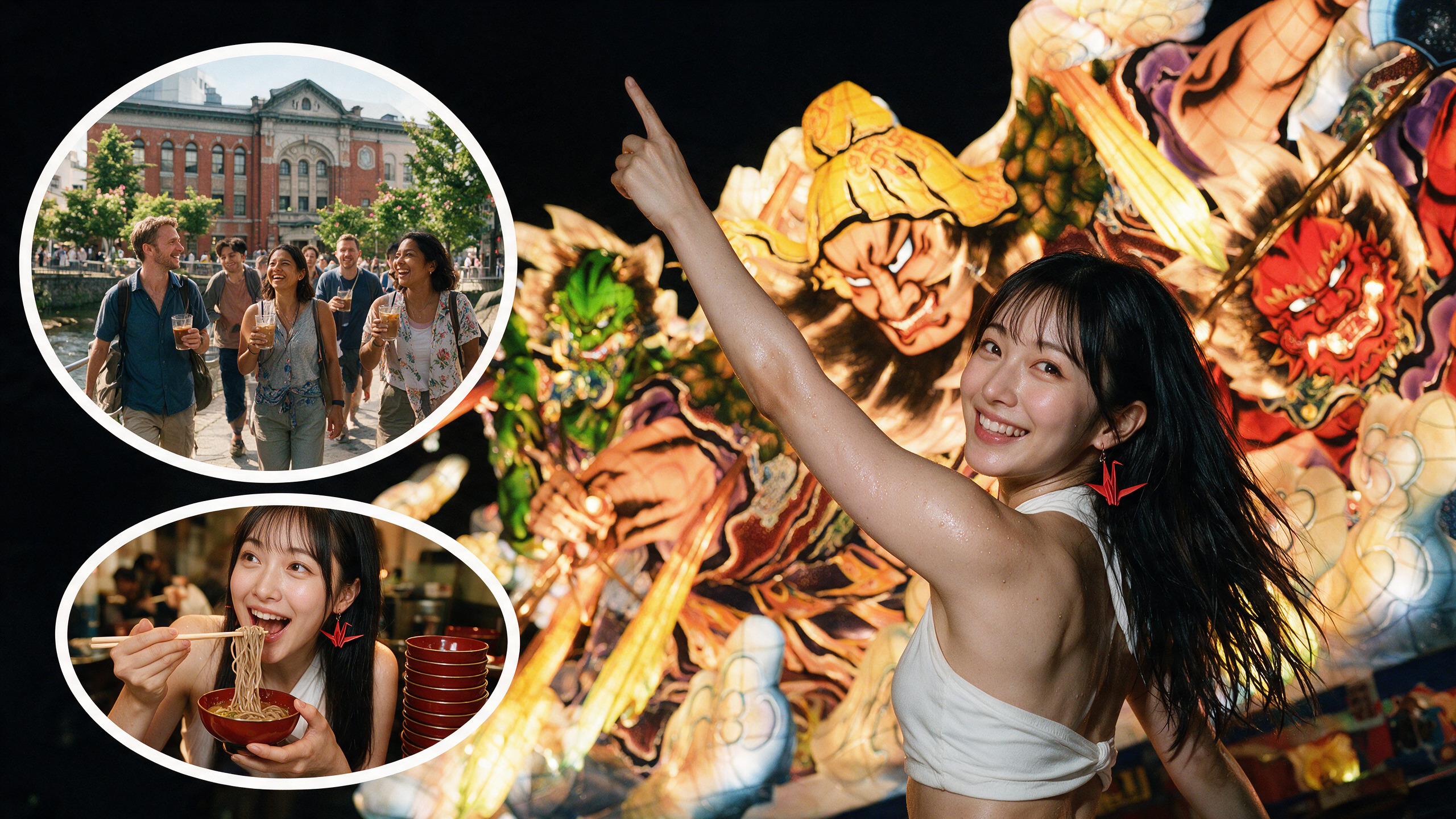
Chuo-dori Avenue transforms into an open-air rhythmic stage every August as the Morioka Sansa Odori fills the downtown core with thousands of synchronized taiko drummers. Dancers clad in vibrant yukatas and floral headpieces parade down the main thoroughfare, chanting traditional calls to celebrate the legend of driving demons from the castle town. Spectators claim roadside viewing spots on blue picnic tarps along the curb hours before the evening processions begin at six. Local food stalls lining surrounding park pathways dispense charcoal-grilled yakitori, chilled draft beers, and iced cucumbers for three hundred to five hundred yen in cash. Reaching the festival grounds takes roughly fifteen minutes on foot from the station, with municipal loop buses running detours during road closure hours. Booking hotel rooms six months ahead remains vital, as citywide accommodations sell out completely for the festival weekend.
- 📍 Featured Spot: Chuo-dori Avenue
- 💡 Best for: Festival Enthusiasts, Cultural Travelers