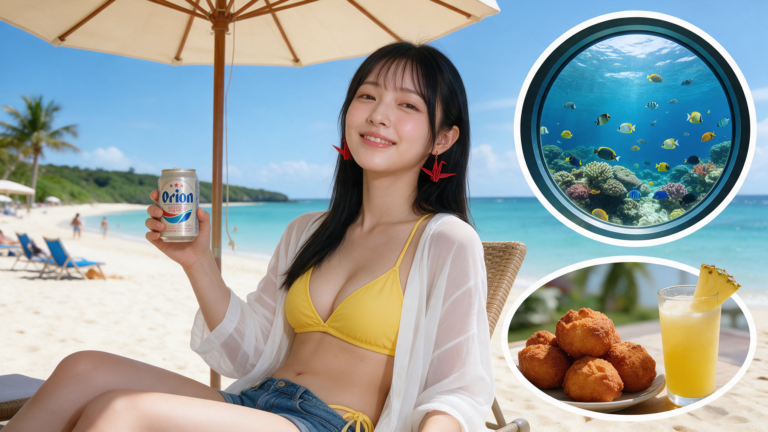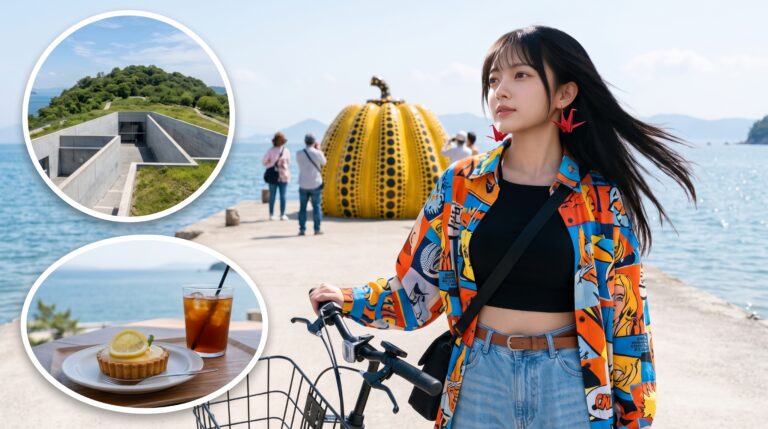
Escaping Japan’s bustling urban hubs for coastal stretches ranges from boarding high-speed regional trains down to the Shonan coast to catching overnight ferries or domestic flights out to remote subtropical archipelagos. While southern island chains like Okinawa and Kagoshima deliver turquoise coral shallows and powdery white sand, the Pacific shores of Miyazaki and Chiba offer world-class ocean swells and laid-back surf towns. Summer travel requires straightforward logistical planning: carrying cash for independent rental shacks, reserving ferry seats or rental cars weeks ahead, and checking tide charts to catch seasonal sandbars before high tide sweeps over the reefs.
Turquoise Coral Horizons at Yonaha Maehama
Seven kilometers of uninterrupted white coral sand stretch along the southwestern edge of Miyako Island at Yonaha Maehama Beach. Shallow, calm turquoise waters extend hundreds of meters offshore, making this coastal stretch ideal for swimming and stand-up paddleboarding without ocean drop-offs. Direct flights connect Tokyo Haneda to Miyako Airport in roughly three hours, though booking an airport rental car ahead of arrival remains essential because public buses operate on sparse multi-hour intervals. Free public parking and basic foot showers sit near the main entrance, while shaded umbrella sets rent for ¥1,500 to ¥2,000 per afternoon.
🎯 Pro tip: Reserve an airport rental car at least three weeks ahead, as island fleet supplies run low throughout peak summer and public buses run infrequently.
- 📍 Featured Spot: Yonaha Maehama Beach
- 💡 Best for: Swimmers, Sunset Photographers
Dramatic Limestone Cliffs at Sunayama Beach
A natural limestone arch carved by centuries of ocean breakers frames the coastline at Sunayama Beach along northern Miyakojima. Access requires hiking through a four-minute soft sand dune trail descending from the parking lot, so sturdy slip-on sandals or water shoes work far better than flimsy flip-flops. Free parking sits right at the trailhead alongside coin-operated foot showers charging ¥100. Ocean currents around the arch formation carry unexpected rip tides during changing tides, making the central designated shallows the safest zone for wading.
🎯 Pro tip: Wear closed sandals or secure water shoes for the steep dune hike, and keep ¥100 coins ready for the rinse showers near the parking lot.
- 📍 Featured Spot: Sunayama Beach
- 💡 Best for: Photographers, Coastal Walkers
Emerald Shallows Across Kabira Bay
Swirling shades of emerald and sapphire wash through Kabira Bay on Ishigaki Island’s northwestern shore. Dense underwater currents protect black pearl cultivation beds across the seabed, meaning direct swimming is strictly prohibited to safeguard fragile marine colonies. Boarding a glass-bottom boat tour from the central pier costs around ¥1,200 to ¥1,500 per adult, revealing brain corals, clownfish, and sea turtles through crystal-clear viewing wells. Buses run from Ishigaki Port terminal every one to two hours, dropping visitors right at the park overlook.
🎯 Pro tip: Purchase glass-bottom boat tickets directly at the beachfront counter on arrival to board the next departing boat before afternoon tour groups gather.
- 📍 Featured Spot: Kabira Bay
- 💡 Best for: Sightseers, Marine Life Admirers
Shallow Reef Lagoons at Zanpa Beach
Protected by an extensive offshore coral barrier, Zanpa Beach sits adjacent to the historic white Zanpa Lighthouse in central Okinawa’s Yomitan Village. Gentle, waist-deep waters create safe conditions for families with young children and leisurely snorkeling sessions among tropical damsels. Rental concessions supply life jackets, umbrellas, and snorkel masks for around ¥1,000 to ¥2,500 per day. Wandering up the coastal walking trail brings visitors directly to cliffside views overlooking the East China Sea.
🎯 Pro tip: Arrive in the late afternoon to pair shallow reef snorkeling with dramatic sunset views from the adjacent lighthouse cliffs.
- 📍 Featured Spot: Zanpa Beach
- 💡 Best for: Families, Casual Snorkelers
Subtropical Sandbars at Yurigahama Beach
Pristine sandbars composed of tiny star-shaped sand grains surface roughly 1.5 kilometers off Yoron Island strictly during low tide. Situated in Kagoshima Prefecture just north of Okinawa, reaching this isolated island requires either a domestic prop flight from Naha or an overnight regional ferry. Glass-bottom boats run shuttles from Okaneku Beach out to the sandbar for roughly ¥2,000 to ¥3,000 round trip. Because the shimmering white sand disappears entirely beneath incoming ocean tides, scheduling arrivals around full moon and new moon spring tides guarantees prime conditions.
🎯 Pro tip: Consult the Yoron Tourist Association tide timetable before booking your ferry, as Yurigahama surfaces exclusively during extreme spring low tides.
- 📍 Featured Spot: Yurigahama Beach
- 💡 Best for: Island Adventurers, Nature Photographers
Pacific Surf Culture Along Aoshima Beach
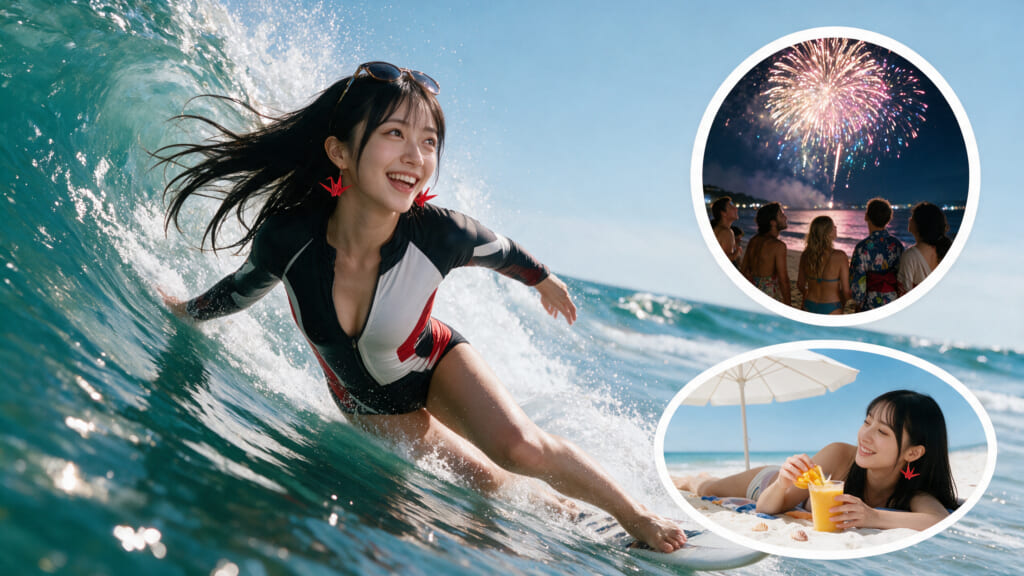
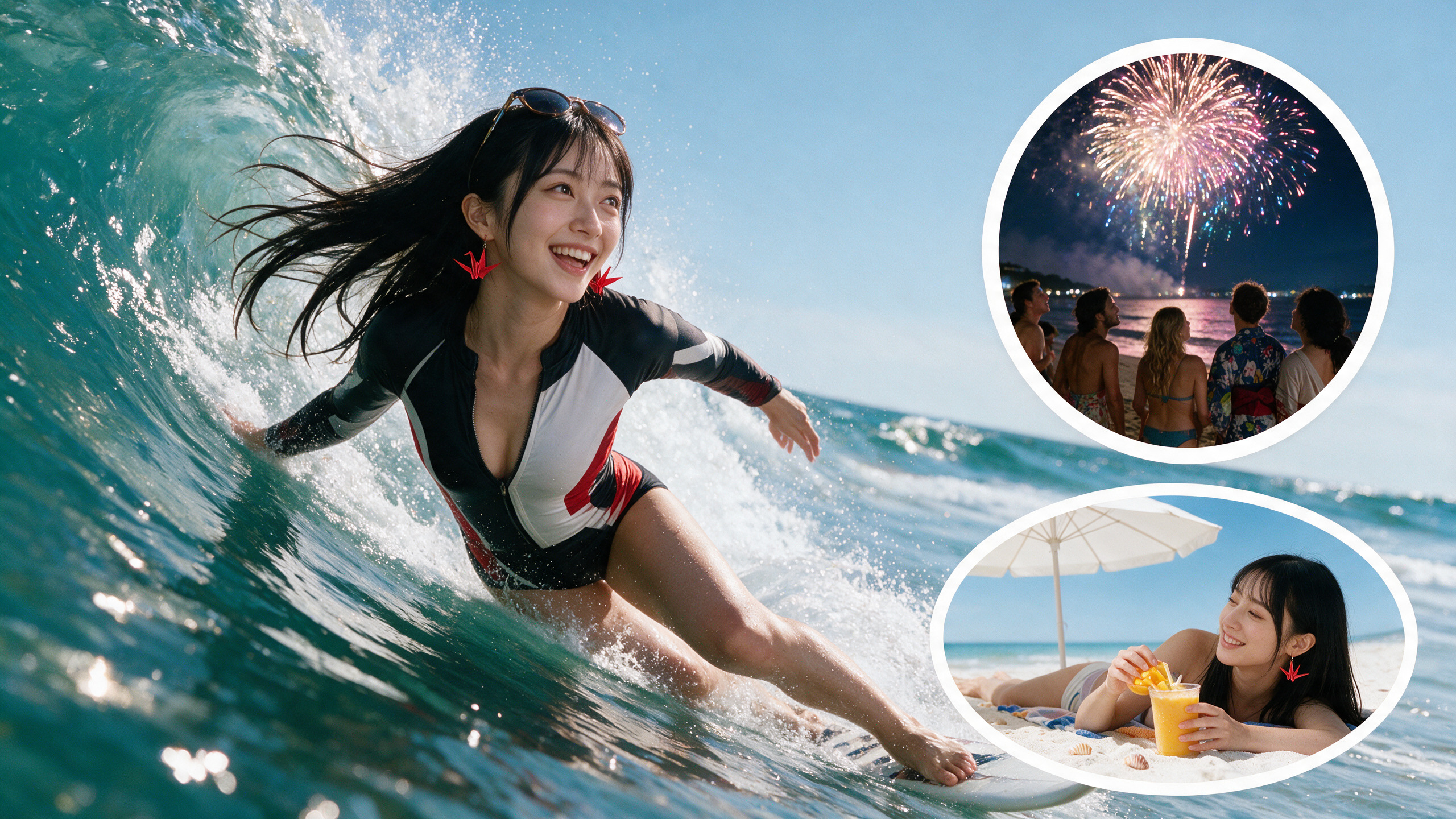
Palm trees line the wide sandy coast of Aoshima Beach in Miyazaki, creating one of Japan’s premier subtropical surf hubs. Consistent Pacific swells rolling into the bay cater to both longboard cruisers and intermediate riders seeking forgiving sandbar breaks. Local beachfront surf shops provide board and wetsuit rentals starting around ¥3,500 for a half day, alongside hot outdoor showers and locker facilities. After morning wave sessions, a pedestrian bridge connects directly to Aoshima Shrine, surrounded by curious ribbed geological rock layers known as the Devil’s Washboard.
🎯 Pro tip: Rent boards from shops along Aoshima Beach Park in the morning when offshore winds keep swell faces clean before coastal breezes pick up by noon.
- 📍 Featured Spot: Aoshima Beach
- 💡 Best for: Surfers, Coastal Road Trippers
White Volcanic Sands Along Habushiura Beach
Boarding the Tokai Kisen high-speed jetfoil from Tokyo’s Takeshiba Pier brings travelers to Niijima in approximately two and a half hours. Seven kilometers of fine volcanic white sand and turquoise rollers define Habushiura Beach on the island’s eastern coastline, attracting international surfers and weekend campers. Bicycles rent near the main port for roughly ¥1,000 to ¥1,500 per day, allowing leisurely pedals across paved coastal lanes without car rentals. Small local grocers and coastal stalls operate on physical yen, making adequate cash withdrawals essential prior to boarding the ferry.
🎯 Pro tip: Secure Tokai Kisen jetfoil tickets online two months in advance for summer weekend journeys, and pack ample physical yen for island café purchases.
- 📍 Featured Spot: Habushiura Beach
- 💡 Best for: Weekend Campers, Ocean Swimmers
Summer Seaside Buzz at Yuigahama Beach
Located an easy 60-minute train ride south of Tokyo Station on the JR Yokosuka Line, Yuigahama Beach stands as Kamakura’s most accessible seaside retreat. From early July through late August, the shoreline fills with temporary wooden beach huts serving grilled yakisoba, ramen, and chilled draft beer. Tap-to-pay IC transit cards like Suica cover transportation seamlessly, while beachfront shower stations operate with ¥300 coin slots. Arriving during weekday mornings bypasses the heavy crowds that fill the shoreline by early afternoon.
🎯 Pro tip: Catch an early morning train from central Tokyo to claim beach umbrella space before mid-day commuter crowds arrive from the train station.
- 📍 Featured Spot: Yuigahama Beach
- 💡 Best for: Day Trippers, Social Beachgoers
Scenic Coastal Curves at Shichirigahama Beach
Black volcanic sand meets sweeping Pacific horizons along Shichirigahama Beach in Kanagawa. The retro green Enoden coastal railway rattles directly along the beachfront roadway, offering sweeping panoramas of Enoshima Island and Mount Fuji on clear mornings. While rocky underwater shelves and strong wave breaks discourage casual swimming, the wide seaside promenade features oceanfront brunch cafés, surf lookouts, and relaxed walking paths. Boarding the Enoden line from Kamakura Station takes just fifteen minutes to Shichirigahama Station.
🎯 Pro tip: Ride the Enoden line in the morning and grab a terrace window table at oceanfront cafés for unobstructed views of Enoshima and distant Mount Fuji.
- 📍 Featured Spot: Shichirigahama Beach
- 💡 Best for: Café Walkers, Train Spotters
High-Performance Swells at Shidashita Beach
Known internationally as Tsurigasaki Beach, Shidashita in Chiba Prefecture hosted the Tokyo Olympic surfing competition thanks to its exceptionally consistent ocean swells. Situated roughly 90 minutes from central Tokyo via car or JR Kazusa-Ichinomiya Station, this coast draws seasoned surfers seeking powerful sandbar peaks. Oceanfront surf outposts and cafes line the coastal access route, with local rental centers offering gear packages for around ¥3,000 to ¥4,000 per day. Coastal winds shift quickly, making early morning tide changes the optimal window for wave riding.
🎯 Pro tip: Check local surf report cams at dawn and arrive during incoming tide transitions for optimal wave shape before onshore winds build.
- 📍 Featured Spot: Shidashita Surf Beach
- 💡 Best for: Surfers, Action Sports Fans