Reaching Ginzan Onsen requires taking the Yamagata Shinkansen to Oishida Station before catching a local municipal bus or scheduled hotel shuttle into the mountain valley. Daytime access is tightly regulated with vehicle bans across the central pedestrian street, forcing automobile drivers to park at designated outer lots and board park-and-ride shuttles. Bringing physical Japanese yen is essential for local snack stalls, public bath entries, and small tea houses where credit card processing and IC cards are not accepted.
Riding the E8 Series Tsubasa Shinkansen to Oishida Station
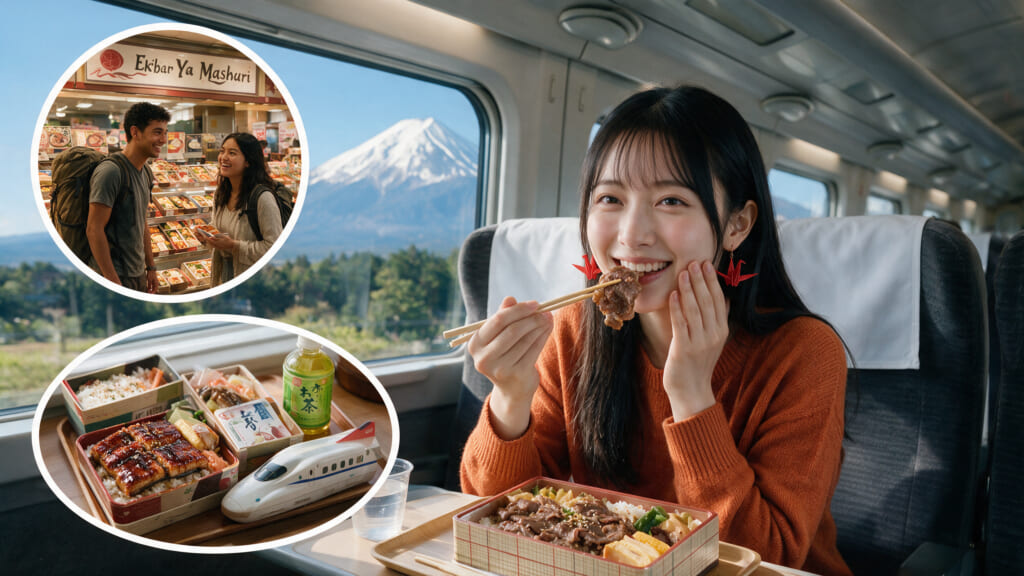
Yamagata Shinkansen’s E8 Series Tsubasa train connects Tokyo Station directly to Oishida Station in roughly three hours. From Oishida’s East Exit, local municipal buses head up to Ginzan Onsen for ¥1,000 each way with exact cash paid upon exiting. Queueing early at the bus stop is necessary on heavy snow days because passenger overflow quickly fills available seating. The central village zone completely bans personal cars, requiring motorists to use remote parking lots serviced by local transfer shuttles. Japan Rail Pass holders cover the full Shinkansen segment before purchasing local transit tickets on site.
🎯 Pro tip: Reserve window seats in Car 11 or 12 for swift egress to the bus loop at Oishida Station, and keep ¥1,000 in exact cash ready for the driver.
- 📍 Featured Spot: JR Yamagata Shinkansen E8 Tsubasa
- 💡 Best for: Transit Enthusiasts, Independent Travelers
Winter Day Trip Logistics from Yamagata Station
Base yourself at Daiwa Roynet Hotel outside Yamagata Station to streamline morning travel connections across Tohoku. Local trains to Oishida Station take under 40 minutes, followed by a 40-minute bus ride into the snow valley. Travelers arriving around midday should grab a printed bus schedule at Oishida Station to lock down return departure times before evening routes end. Wearing boots with deep rubber treads prevents slipping on slick timber footbridges throughout the pedestrian strip. Keeping ¥5,000 in physical cash covers hot street food snacks and tea house entry along the canal.
🎯 Pro tip: Snap a smartphone photo of the return bus schedule at Oishida Station before boarding, as winter snowstorms occasionally delay mountain routes.
- 📍 Featured Spot: Daiwa Roynet Hotel Yamagata Ekimae
- 💡 Best for: Day Trippers, Solo Travelers
Winter Street Architecture Along the Ginzan River
Multi-story timber ryokan with traditional plasterwork line both sides of the narrow river running through town. Walking along the pedestrianized center requires waterproof boots with firm grip to handle thick slush and packed snow. Small souvenir vendors lining the street take IC cards for packaged sweets, though hot street food stalls require cash payment.
🎯 Pro tip: Rent waterproof snow boots with rubber grip spikes at the village visitor shelter if your personal footwear lacks winter traction.
- 📍 Featured Spot: Ginzan Onsen Pedestrian Street
- 💡 Best for: Architecture Enthusiasts, First-Timers
Local Tofu at Ganso Tofu-ya & Soba at Takimitei
Ganso Tofu-ya serves freshly fried tofu blocks directly from a street-side window counter for quick cash payments. Further up the trail near Shirogane Falls, Takimitei serves bowls of hand-cut buckwheat soba with direct views of the waterfall. Sake Teahouse Clie features second-floor counter seating where visitors order hot matcha lattes or regional Yamagata sake. A pit stop at Mogamigawa Senbon Dango near Oishida Station offers soft rice dumplings covered in crushed walnut or sweet soy glaze. Reserving private bath slots at Kosekiya Hotel Annex gives overnight guests secluded indoor soaking away from daytime visitors.
🎯 Pro tip: Arrive at Ganso Tofu-ya before 11:30 AM to snag freshly fried tofu pockets before daily morning batches sell out.
- 📍 Featured Spot: Ganso Tofu-ya
- 💡 Best for: Foodies, Day Explorers
Sampling Onsen-Manju and Local Yamagata Sake
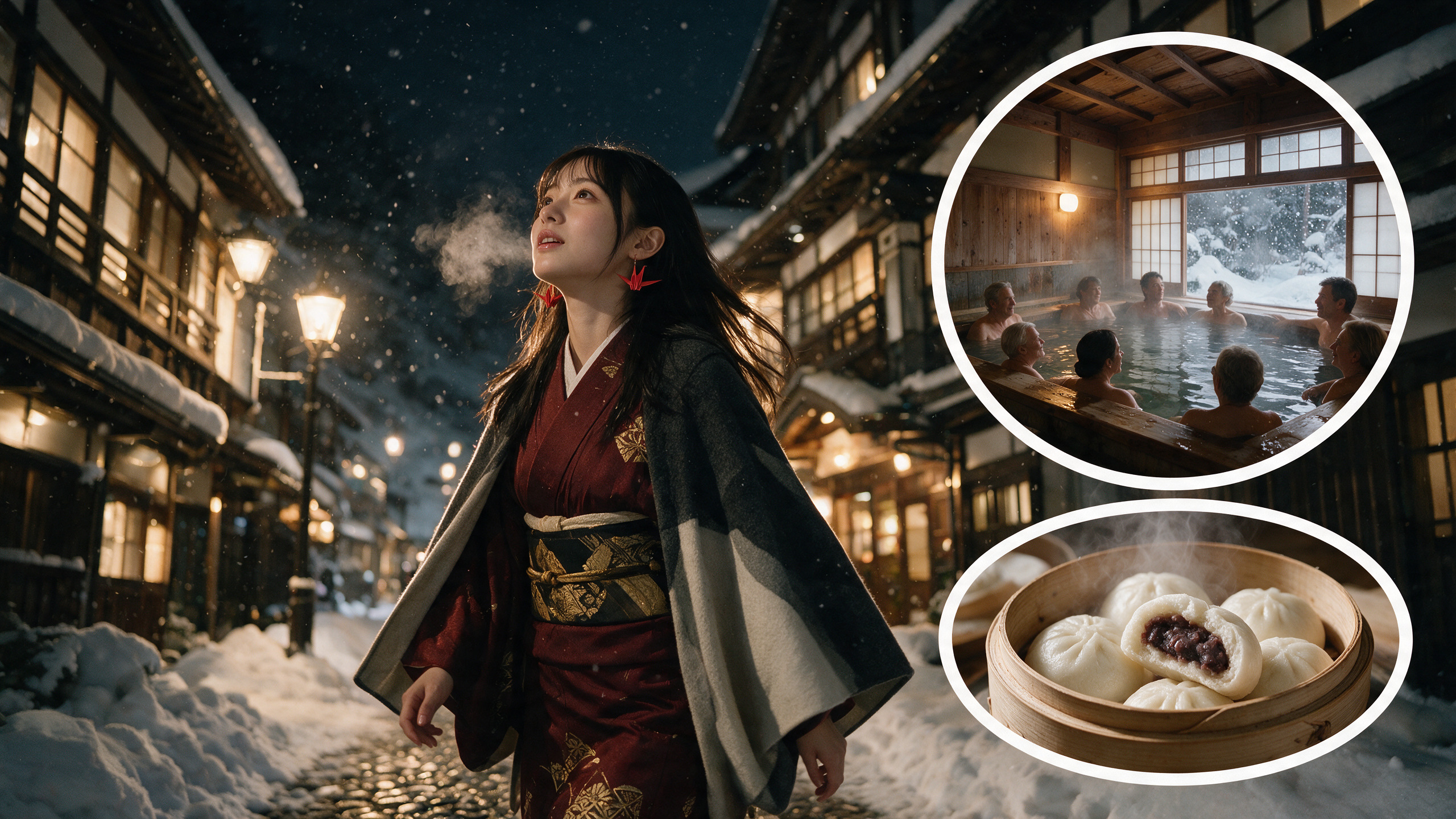
Freshly steamed onsen-manju filled with sweet red bean paste cost roughly ¥150 per piece at street counters. Local bottle shops along the canal stock Yamagata craft sake alongside hot cup drinks suited for winter walking. Day visitors should confirm evening shuttle return times at the main bus shelter to avoid missing the final connection back to Oishida Station.
🎯 Pro tip: Order warm steamed buns directly from open steamer baskets rather than pre-packaged gift boxes for maximum tenderness in sub-zero air.
- 📍 Featured Spot: Local Manju & Sake Shops
- 💡 Best for: Street Food Lovers, Casual Walkers
Bathing at Shiroganeyu & Visiting Shirogane Falls
Architect Kuma Kengo designed the modern Shiroganeyu public bath house, which offers hot spring access for a ¥500 cash entry fee. At the back of the village, a cleared walkway leads straight toward the 22-meter Shirogane Falls and historic silver mine entrances. Free public footbaths line the riverbank, giving day travelers a place to soak while waiting for departing buses.
🎯 Pro tip: Bring a quick-drying hand towel from your hotel and five ¥100 coins, as Shiroganeyu operates without rental linen services.
- 📍 Featured Spot: Shiroganeyu Public Bath
- 💡 Best for: Onsen Enthusiasts, Short Visits
Evening Gas Lamp Walk Along the Central Canal
Gas lanterns ignite along the river bank at dusk, illuminating multi-tiered wooden inns and snow-capped roofs. Day visitors need to check evening transit schedules carefully, as public buses back to Oishida Station cease operations early in the evening. Taking photos along the central footbridge requires waiting for gaps in pedestrian traffic during peak winter afternoon hours.
🎯 Pro tip: Position your camera on the Shiroganebashi bridge 20 minutes before official twilight to capture the contrast of warm gaslight against blue hour snow.
- 📍 Featured Spot: Ginzan Canal Footbridge
- 💡 Best for: Photographers, Day Visitors
Overnight Experience at Notoya Ryokan & Local Dining
Notoya Ryokan costs approximately $423 per night, including full multi-course breakfast and Kaiseki dinner served inside private dining areas. Guests arriving via Oishida Station can request free hotel shuttle pick-ups arranged directly through the inn prior to arrival. Before leaving Tokyo Station, grabbing a baked truffle roll from TRUFFLE mini or dipping noodles at Rokurinsha sets up the four-hour journey north. Walking along the canal after dark reveals lit gas lamps illuminating three-story wooden facades dating to the Taisho era. Carrying your physical passport speeds up tax-free souvenir transactions at local wooden craft shops.
🎯 Pro tip: Online reservations open precisely six months ahead on the first of each month; lock in your dates early to secure river-facing fourth-floor suites.
- 📍 Featured Spot: Notoya Ryokan
- 💡 Best for: Luxury Travelers, Onsen Fans
Overnight Stay at Ginzanso & Traffic Control Regulations
Ginzanso sits slightly uphill from the main canal entrance, providing spacious indoor hot springs and open-air outdoor baths facing the valley. Private passenger vehicles face strict local access bans, requiring non-overnight guests to park at outer lots and ride dedicated shuttle buses into town. Walking through the valley at early dawn reveals heavy fresh snowfall without daytime crowds along the river bridges. Sosuiko Cave and Shirogane Waterfall remain visible along illuminated paths behind the main ryokan strip. Multi-course ryokan dinners feature local Yamagata beef cooked on desktop grills alongside seasonal mountain vegetables.
🎯 Pro tip: Overnight guests at Ginzanso can access the historic indoor cedar tubs of its sister property, Kosekiya Bekkan, right in the center of the village.
- 📍 Featured Spot: Ginzanso
- 💡 Best for: Overnight Guests, Nature Lovers
Traditional Ryokan Stay at Kosekiya Bekkan
Kosekiya Bekkan sits directly along the central canal with timber guest rooms spanning multiple stories over the river. Guests staying overnight receive access to indoor hot spring baths along with traditional multi-course meals served in communal dining spaces. Reserving six months ahead on their official website is standard due to severe winter availability constraints. Physical cash or local credit cards are accepted at check-in for accommodation taxes.
🎯 Pro tip: Request the private top-floor bath timeslot at the front desk upon check-in to enjoy uninterrupted soaking with canal views.
- 📍 Featured Spot: Kosekiya Bekkan
- 💡 Best for: Ryokan Guests, Couples